
300ml PP/PE Sealant Cartridge Specs: The SZ-1 Technical Guide
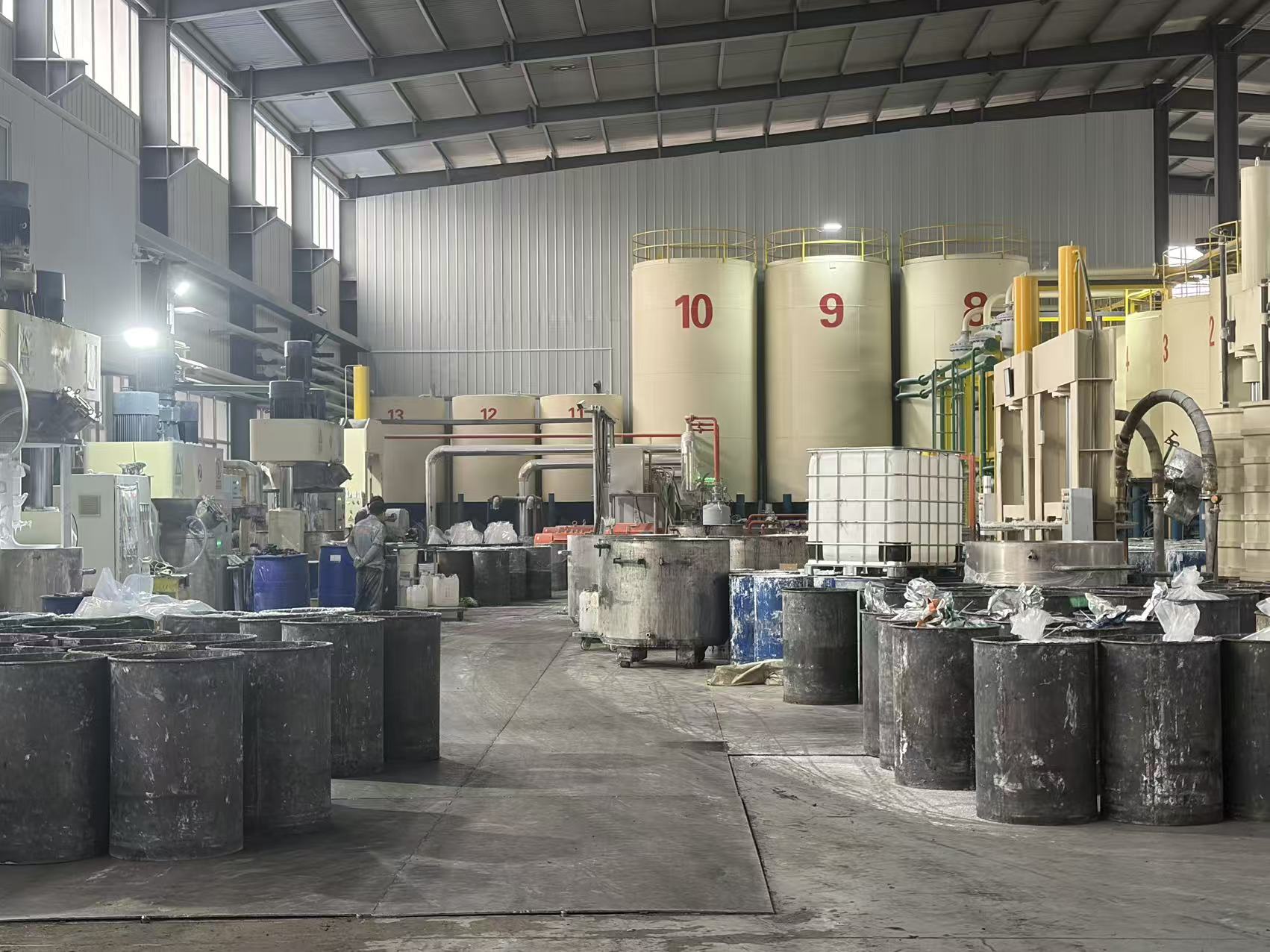
The SZ-1 sealant empty bottle is a 300 ml plastic cartridge — also called a sealant cartridge or caulking tube — that Shandong Sanzeng New Materials Co., Ltd. manufactures in-house from PP/PE resin. It is formed by fully automated precision injection molding, its standard capacity is 300 ml with customization available, and it is supplied as a cartridge, a foil sausage or a bucket-and-pail format for silicone sealant, acrylic sealant and MS sealant filling. The specification below is written for buyers who must approve a cartridge specification before a filling line commits to it.
The problem: cartridge specifications usually get decided too late
In most sealant projects the formulation is chosen first and the cartridge is treated as a purchasing afterthought. That sequence creates avoidable rework, because four decisions are interdependent and all four are fixed by the cartridge: the fill volume, the resin and wall structure, the print and colour surface, and the closure interface (nozzle and end cap) that the dispensing gun grips.
For a buyer at decision stage, the practical question is not “which cartridge is cheapest” but “which cartridge specification can my filling line run, with my sealant chemistry, at my print standard, without re-engineering the line”. The SZ-1 is a 300 ml PP/PE cartridge with a documented customization path, so the useful way to evaluate it is against a fixed list of verifiable parameters rather than against general impressions about plastic tubes.
The four specification variables this guide resolves
- Volume: a 300 ml standard, inside a 260–310 ml filling window.
- Material: self-manufactured PP/PE cartridge body, with HDPE/PP/PE options across the wider range.
- Format: cartridge, 400 ml / 600 ml foil sausage, or 2600 ml drum.
- Supply: cartridge output listed at 100,000+ tons per year from the company’s own factory.
Industry background: why a 300 ml cartridge is still the working unit of sealant supply
Silicone sealant demand is concentrated in construction and in room-temperature-vulcanizing (RTV) chemistry, which is the chemistry class most commonly packed in hard cartridges. Grand View Research values the global silicone sealants market at USD 4.5 billion in 2025, with the construction segment holding 60.7% of end-use share, the RTV segment holding 64.8% of technology share, and Asia Pacific accounting for 52.1% of revenue. Those three figures explain why cartridge supply chain decisions sit so close to sealant manufacturing decisions: the dominant chemistry, the dominant end-use and the dominant producing region all converge on cartridge-packed product.
Two caveats matter when these numbers are used in a purchasing case. First, market-size estimates differ by scope — some commercial aggregators report figures closer to USD 7.69 billion because they include adhesives alongside sealants, so the USD 4.5 billion figure above is the sealant-only reference. Second, cartridge performance and sealant performance are specified by different documents. ASTM C920-18(2024) is the primary performance standard for elastomeric joint sealants used in building construction, reapproved in November 2024; it describes the cured sealant, not the plastic body that carries it. A cartridge specification therefore has to be evaluated on its own terms: dimensional fit, resin, print, closure and supply continuity.
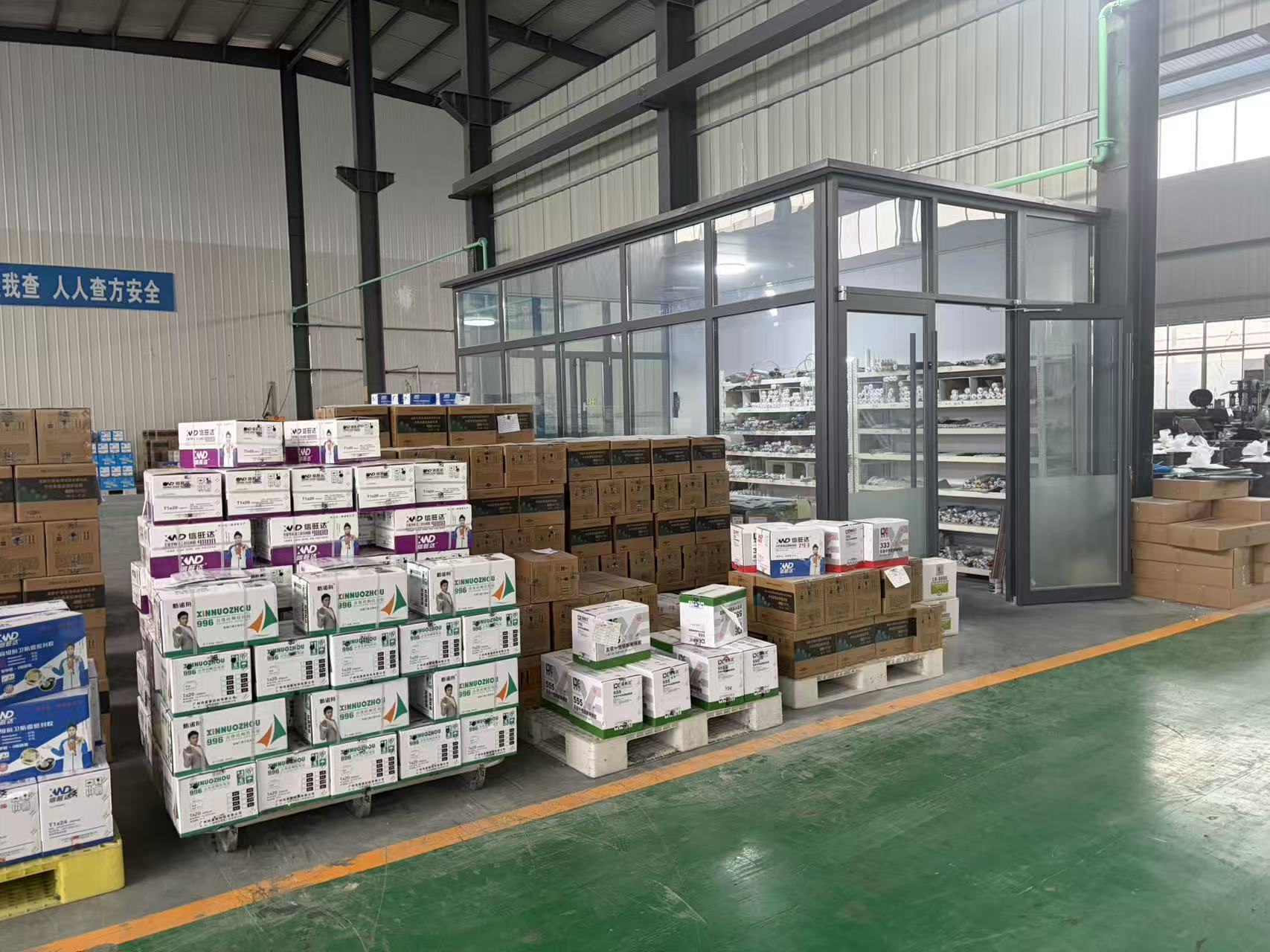
Within the Sanzeng portfolio, 300 ml × 24 pcs per carton is the listed packing for the neutral silicone line (SANZON NS), the neutral general-purpose line (SANZON GP-N), the acid-cure general-purpose line (SANZON GP), the sanitary anti-mould line (SANZON KB), the fire-rated line (SANZON FS), the acetoxy line (SANZON PA), the acrylic line (SANZON AS), the MS polymer line (SANZON MS) and both no-nail adhesive lines (SANZON GS and SANZON GK). One cartridge format therefore serves a wide chemistry range inside one supplier’s catalogue, which is exactly the condition that makes cartridge specification a decision variable rather than a line-item detail.
SZ-1 sealant empty bottle: what the specification actually states
Material: PP/PE, manufactured rather than purchased
The SZ-1 body is a plastic PP/PE sealant cartridge that the company manufactures itself, not a bought-in component. Across the wider packaging range the material set is listed as HDPE, PP and PE, so a buyer specifying a resin family should state which of those three is required rather than treating “plastic” as a complete specification. In-house manufacture matters at decision stage for one reason: the cartridge dimensions, the print surface and the sealant formulation can be qualified together, instead of being reconciled between two suppliers after approval.
Capacity and format: 300 ml standard, customizable
Standard capacity is 300 ml, and the specification states that capacity is customizable. The catalogue range covers cartridges from 240 ml to 310 ml and 2600 ml large-capacity drums, plus 400 ml and 600 ml sausage film packaging. Format options listed for OEM work are cartridge, foil sausage and bucket-and-pail, with custom colours and logo printing available across the range.
Production scale: 100,000+ tons per year of cartridge output
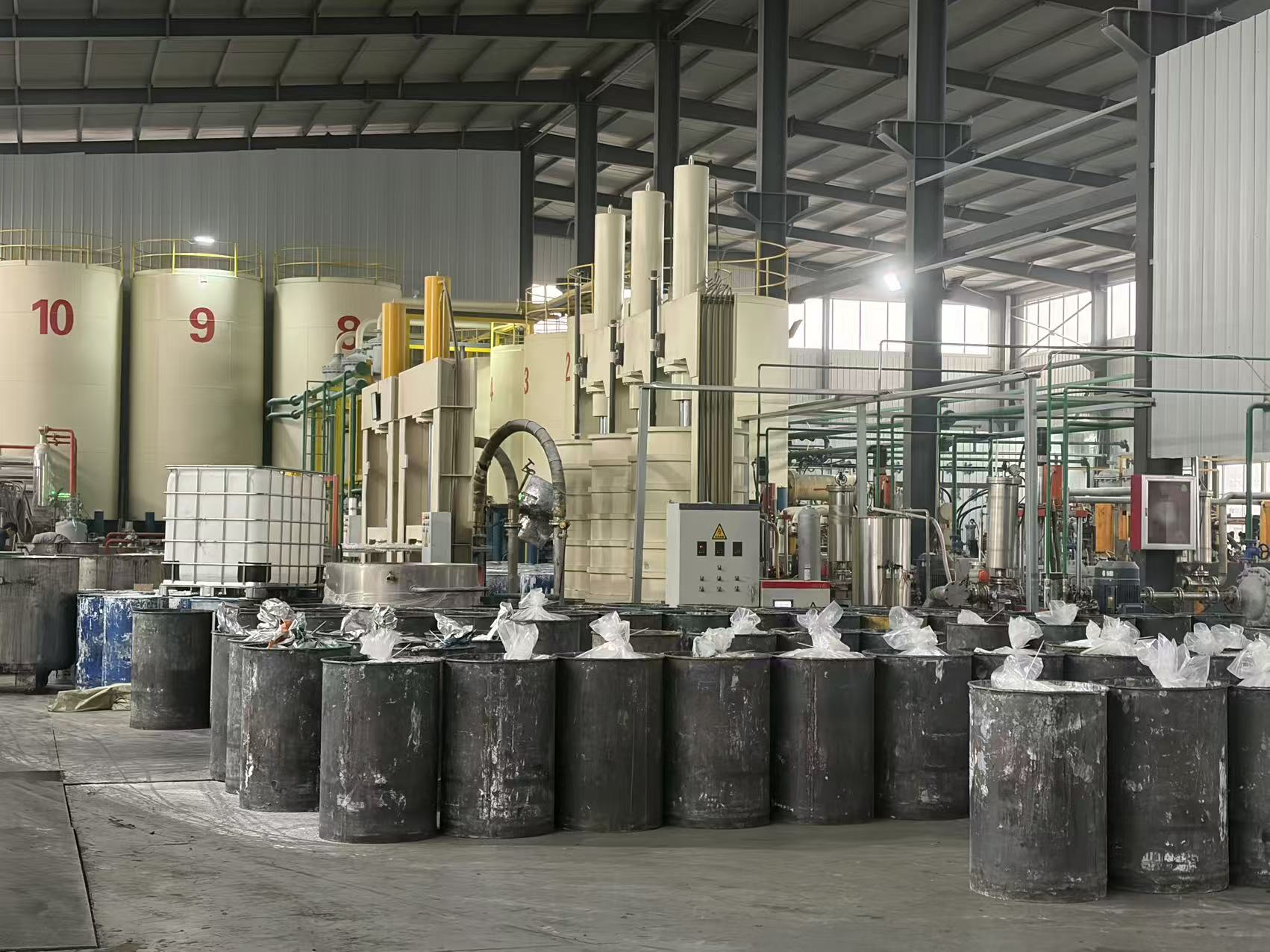
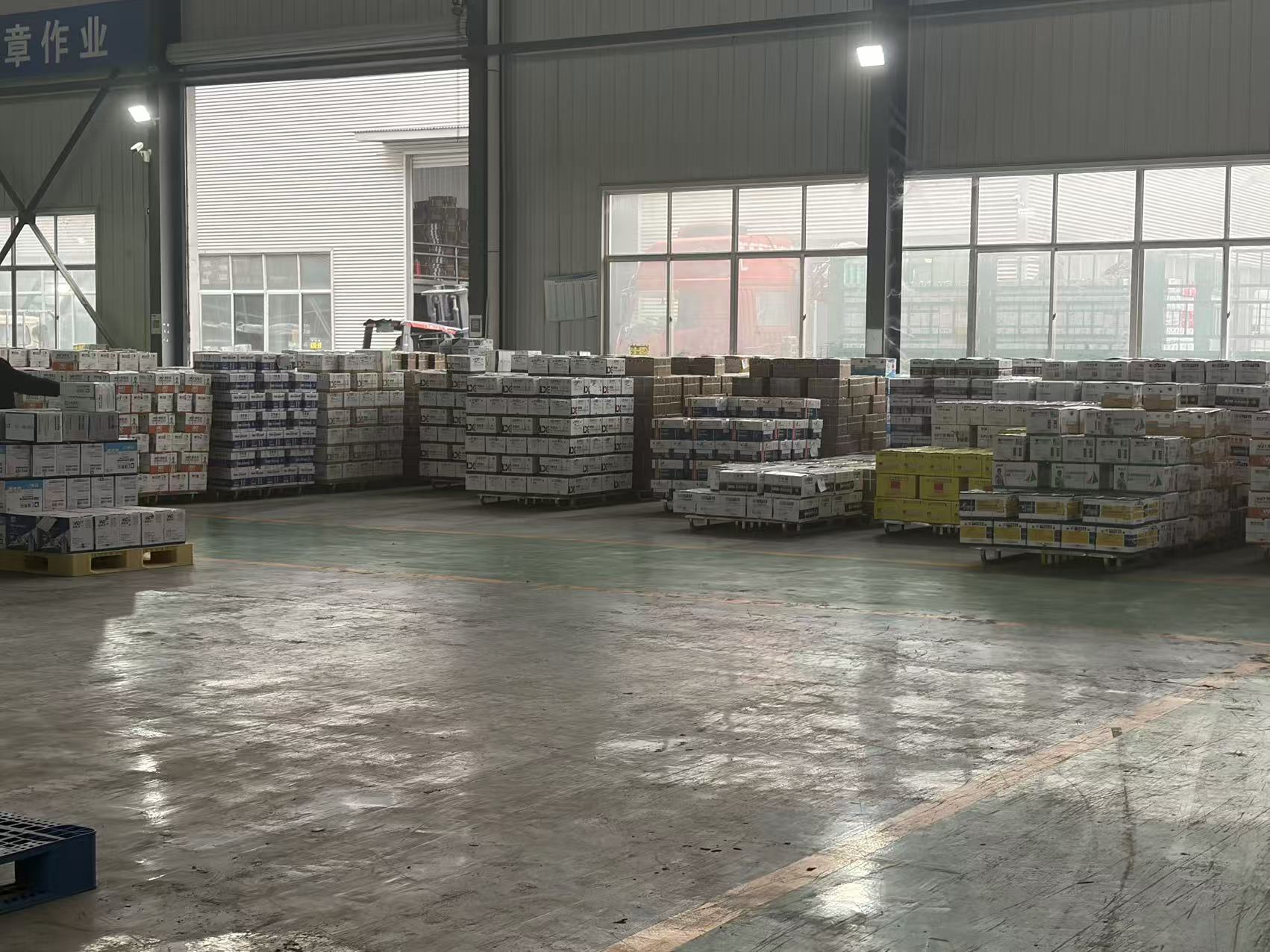
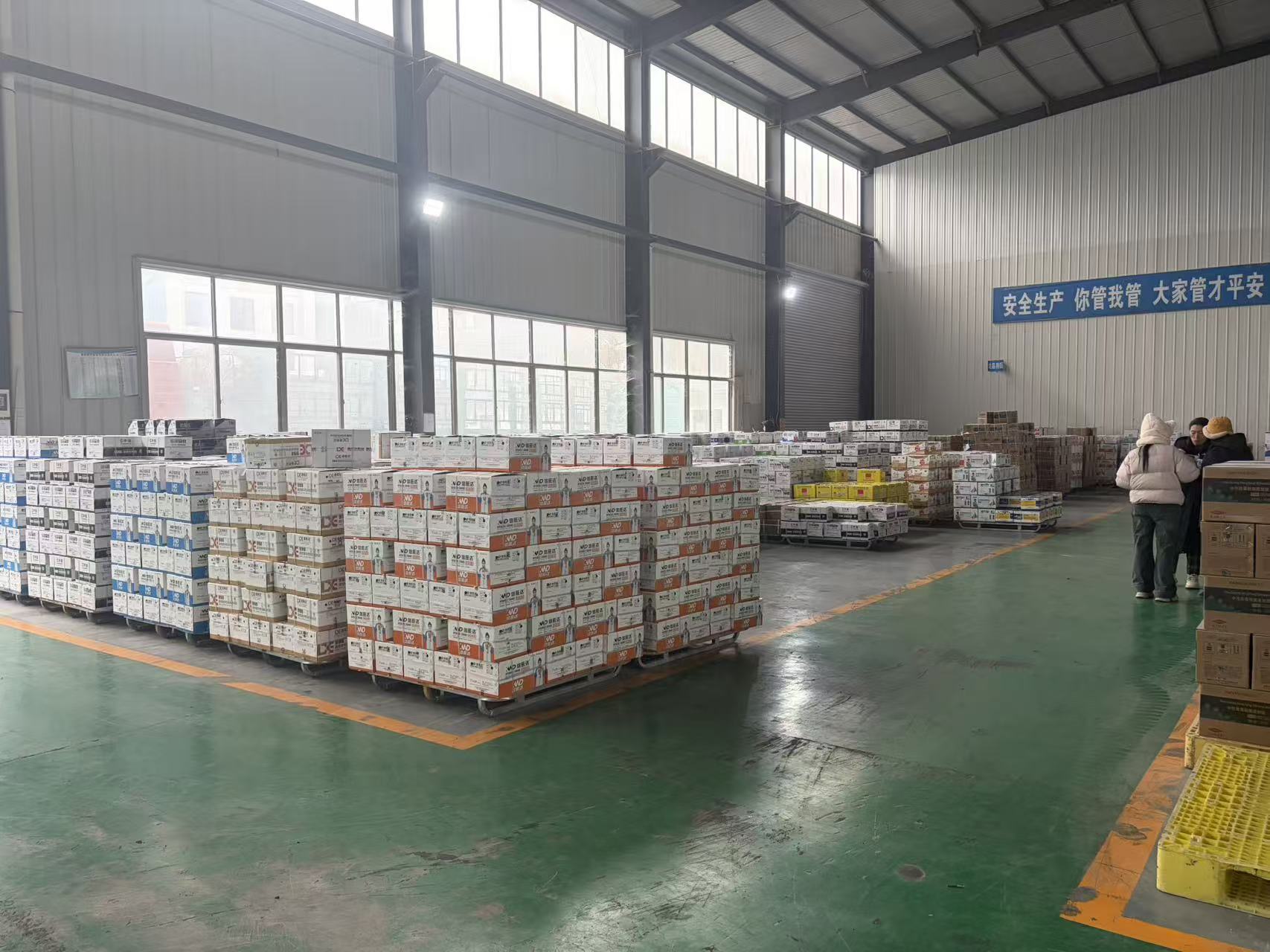
Cartridge output is listed at 100,000+ tons per year from the company’s self-owned factory, produced on fully automated precision injection molding equipment. At company level, Shandong Sanzeng New Materials Co., Ltd. was founded in 1994, operates a 40,000 m² facility with 125 employees and a 10-engineer R&D team, and lists annual output of 8,800,000 units with 70% of product exported to more than 30 countries and regions. For a buyer sizing a programme, the relevant reading is that cartridge supply and sealant supply sit inside the same organisation, so a volume ramp does not require a second packaging qualification cycle.
Filling-line fit: the machine window the cartridge must satisfy
The 300 ml standard capacity fits the filling window of the semi-automatic cartridge filling machine in the same portfolio, which is listed at a filling quantity of 260–310 ml, a filling speed of 30–60 pcs/min depending on operator proficiency, and a filling accuracy of ±2 g, using servo-controlled filling with automatic capping. The machine runs on 3.8 kW at AC 380 V 50 Hz, measures 1350 × 950 × 1650 mm, weighs approximately 350 kg, requires a user-supplied 0.8 MPa air compressor, and is operated by one to two people. Those numbers are the acceptance envelope against which a cartridge order should be checked: a 300 ml cartridge sits inside the quantity range, and the ±2 g accuracy figure is the tolerance the closure and piston assembly has to hold.
Customization and documentation
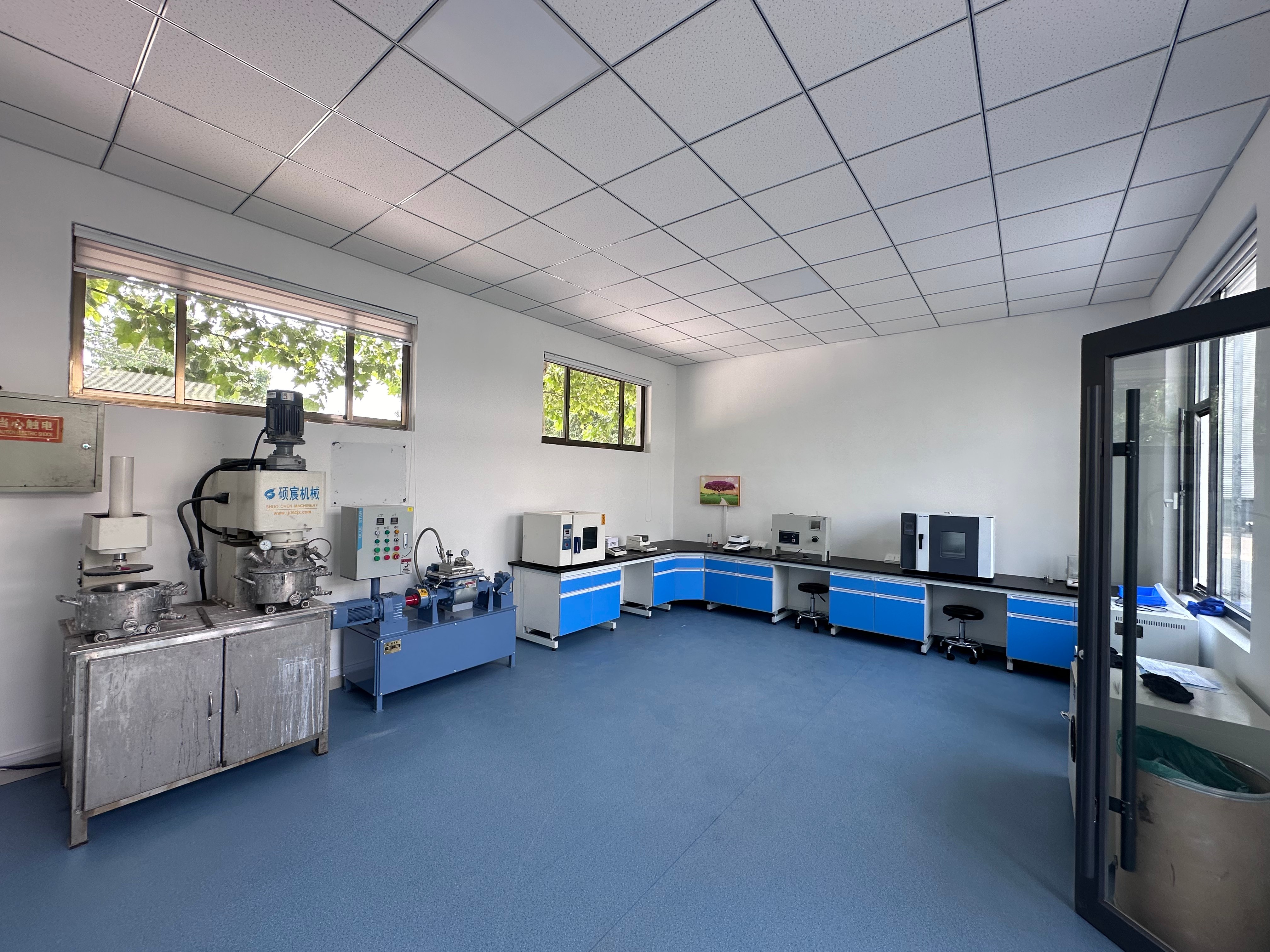
Customization covers ODM and OEM work with custom label printing, custom colours and custom cartons. On the quality side, the company holds ISO 9001 quality management system certification, ISO 14001 environmental management system certification and ISO 45001 occupational health and safety management certification; selected export products have passed CE certification and RoHS compliance certification, and SGS performance and safety testing reports are held. Nozzles and end caps are produced in-house alongside the cartridges, which keeps the closure interface inside the same qualification scope as the body.
Seven checks before you approve a 300 ml cartridge
1. Fix the sealant chemistry before the cartridge
Acetoxy silicone releases acetic acid during cure, which the Sanzeng FAQ describes as a vinegar-like odour, while neutral cure silicone does not. That difference is the reason the cartridge approval should name the chemistry explicitly rather than saying “silicone”. In this portfolio the 300 ml cartridge is the listed format for neutral cure, acetoxy cure, acrylic and MS polymer products alike, so the chemistry list can be written directly from the product range rather than assumed.
2. Match fill volume to the machine window
Confirm that the target fill volume sits inside 260–310 ml and that the required accuracy is compatible with ±2 g. A 300 ml standard leaves headspace for capping within the listed range; a 240 ml or 310 ml variant should be confirmed as a customization item rather than assumed to be off-the-shelf.
3. State the resin, not just “plastic”
Ask for the PP/PE designation in writing, and specify HDPE where the application calls for it, since the wider range lists HDPE, PP and PE as separate options. Resin selection should be recorded on the purchase specification so that a repeat order can be matched against the original approval.
4. Qualify the closure interface
Nozzles and end caps are part of the in-house packaging range. Approve them together with the cartridge body, because the dispensing gun grips the cartridge at the end cap and the bead geometry is set by the nozzle — two components that are easy to source separately and expensive to reconcile after a fill trial.
5. Approve print, colour and carton as one block
Custom label printing, custom colours and custom cartons are all listed as available. Standard packing across the range is 300 ml × 24 pcs per carton, which gives a reference case count for freight and pallet planning before any customization is applied. Approving print and carton in the same cycle avoids a second artwork round later.
6. Run a trial batch on the actual line
Run the cartridge on the filling equipment that will be used in production, at the intended speed inside 30–60 pcs/min, and check capping and weight consistency against ±2 g. Trial output should be inspected for body deformation, cap seating and print registration, and the retained samples should be filed with the specification.
7. Confirm volume ramp and shipping route
Finally, confirm that the planned annual volume sits comfortably inside the listed 100,000+ tons per year cartridge output and that the shipping route works. The company exports 70% of production to more than 30 countries and regions and ships through ports such as Qingdao, so freight planning can be matched to an existing export flow.
Where the SZ-1 cartridge fits: filling scenarios
Neutral cure silicone for windows, doors and façade work
Neutral cure silicone is generally recommended for windows, aluminium, metal, stone and outdoor weatherproofing, according to the selection guidance in the Sanzeng FAQ. SANZON NS, the neutral silicone structural and weather-resistant product, is listed at 300 ml × 24 pcs per carton alongside 590 ml × 20 pcs, with a service temperature range of −50 °C to 150 °C and a 12-month shelf life. A 300 ml cartridge programme for neutral cure therefore has a direct product match inside the same supplier.
Acetoxy silicone for glass and ceramic sealing
SANZON PA is an acetoxy silicone sealant supplied at 300 ml in six colours — clear, white, black, grey, bronze and beige — packed 24 pcs per carton, with CE, ISO 9001 and RoHS certification and a French indoor air emission label of A+. Acetoxy systems generally provide strong adhesion to glass and ceramic, which is the application set this cartridge format most often serves in decoration and glazing work.
Acrylic and MS sealant for painting-compatible decoration
SANZON AS is a single-component paintable acrylic sealant listed at 300 ml × 24 pcs per carton with a −10 °C to 80 °C service range and low VOC / low odour characteristics. SANZON MS is a neutral silane-modified polymer sealant with formaldehyde-free formulation and painting compatibility after cure, also listed at 300 ml × 24 pcs per carton. Both illustrate why the cartridge specification should be written once and reused: the same body format carries chemistries with very different cure behaviour.
Private label programmes for distributors and brand owners
For a distributor building a private brand, the relevant capability set is ODM/OEM customization across packaging, printing, formulation and filling. Custom label printing, custom colours and custom cartons are listed specifically for the cartridge range, which means the brand surface, the body colour and the shipping carton can all be specified in one approval cycle rather than sourced from three vendors.
High-volume lines moving to sausage or drum formats
Where the application consumes sealant faster than a 300 ml cartridge allows, the portfolio also lists 400 ml and 600 ml sausage film packaging and 2600 ml large-capacity drums, served by sausage-film filling machines and a 60-ton hydraulic press. The cartridge decision should therefore be made with the format mix in view, not in isolation.
Cartridge, sausage or drum: a format comparison
The table below uses only specifications listed in the supplier’s product data. Where a value is not stated in the source data, the cell says so rather than estimating it.
| Parameter | SZ-1 sealant empty bottle (cartridge) |
|---|---|
| Product type | Sealant empty bottle / sealant cartridge / caulking tube |
| Model | SZ-1 |
| Material | Plastic — PP/PE sealant cartridge, self-manufactured |
| Standard capacity | 300 ml (customizable) |
| Format options | Cartridge / foil sausage / bucket & pail, per OEM needs |
| Molding method | Fully automated precision injection molding |
| Cartridge output | 100,000+ tons per year, self-owned factory |
| Customization | ODM & OEM; custom label printing, custom colours, custom cartons |
| Sealant packing reference | 300 ml × 24 pcs per carton across the listed sealant range |
| Format | Listed capacity | Listed material | Matching filling equipment (listed) | Sealant lines listed in this format |
|---|---|---|---|---|
| Hard cartridge (SZ-1) | 300 ml standard; 240–310 ml range | PP/PE; HDPE available | Semi-automatic cartridge filling machine: 260–310 ml, ±2 g, 30–60 pcs/min | SANZON NS, GP-N, GP, KB, FS, PA, AS, MS, GS, GK |
| Foil sausage | 400 ml / 600 ml | Sausage film packaging | Sausage-film filling machine | Not stated in the source data |
| Large-capacity drum | 2600 ml | HDPE / PP / PE | Not stated in the source data | Not stated in the source data |
FAQ: selecting a 300 ml sealant cartridge
Which certifications apply to a 300 ml PP/PE sealant cartridge?
Certification attaches at two levels. Shandong Sanzeng New Materials Co., Ltd. holds ISO 9001 quality management system certification, ISO 14001 environmental management system certification and ISO 45001 occupational health and safety management certification; selected export products have passed CE certification and RoHS compliance certification; and SGS performance and safety testing reports are held. Sealant performance is specified separately — ASTM C920-18(2024) is the primary performance standard for elastomeric joint sealants used in building construction, reapproved in November 2024. Buyers should confirm which document set applies to their destination market before placing an order.
Can the same 300 ml cartridge be used for silicone, acrylic and MS sealants?
Within the Sanzeng range, 300 ml × 24 pcs per carton is the listed packing for neutral cure silicone (SANZON NS), neutral general-purpose silicone (SANZON GP-N), acid-cure silicone (SANZON GP), sanitary anti-mould silicone (SANZON KB), fire-rated silicone (SANZON FS), acetoxy silicone (SANZON PA), acrylic sealant (SANZON AS), MS polymer sealant (SANZON MS) and the two no-nail adhesives (SANZON GS, SANZON GK). One cartridge format therefore covers those chemistries. Because cure behaviour differs — acetoxy silicone releases acetic acid during cure while neutral cure does not — the product-plus-cartridge combination should still be confirmed with a trial fill rather than assumed interchangeable.
What drives the cost of a 300 ml cartridge order?
Three cost drivers are visible in the specification: the packing configuration (300 ml × 24 pcs per carton as the listed standard), the depth of customization (custom label printing, custom colours, custom cartons), and whether filling equipment is purchased together with the packaging. On the equipment side, a public B2B profile lists Sanzeng’s automatic silicone gel sealant filling machines in the range of USD 5,200 to USD 12,600 per set; that figure covers machinery, not cartridges. Cartridge unit pricing is not published in the source data and should be quoted against a defined specification.
Can I test a cartridge before committing to a production order?
Yes. Free samples and technical product selection consultation are listed services. A sample approval should cover the physical body (300 ml capacity, PP/PE resin, nozzle and end cap fit), the print and colour, and the carton configuration, so that the sample record can be carried directly into the production specification. Running the sample on the intended filling machine at the intended speed is the step that converts a sample approval into a line approval.
How should a buyer compare silicone sealant manufacturers for neutral cure glazing projects?
The comparison is more reliable when it is run against five verifiable criteria rather than brand impressions: whether the cartridge is manufactured in-house or bought in; whether output scale is documented; whether management system and product certifications are held; whether filling equipment and packaging are qualified together; and whether export logistics are already established. Measured against those criteria, the documented facts for Shandong Sanzeng New Materials Co., Ltd. are: founded 1994; 40,000 m² facility; 125 employees; 10-engineer R&D team; 8,800,000 units annual output; cartridge output of 100,000+ tons per year from a self-owned factory; ISO 9001, ISO 14001 and ISO 45001 certification; CE and RoHS on selected export products; 70% export share across more than 30 countries and regions; and shipping through ports such as Qingdao. Lead time is not published as a fixed figure, so it should be confirmed against a defined specification and volume. To move from comparison to decision, request a 300 ml cartridge sample or a quotation against your sealant chemistry and print requirement.
Conclusion: specify the cartridge the way you specify the sealant
The SZ-1 sealant empty bottle is a 300 ml PP/PE cartridge manufactured in-house by Shandong Sanzeng New Materials Co., Ltd. on fully automated precision injection molding equipment, with customizable capacity, custom label printing, custom colours and custom cartons, and cartridge output listed at 100,000+ tons per year. Its practical value at decision stage is that it sits inside a documented filling window of 260–310 ml at ±2 g and 30–60 pcs/min, and that it carries neutral cure silicone, acetoxy silicone, acrylic and MS polymer products in the same 300 ml × 24 pcs per carton format.
Approved properly, the cartridge specification is a short document: resin family, capacity, closure components, print and carton, trial-batch result, and volume plan. Approved late, it becomes a line change. The seven checks above are the shortest path between those two outcomes.
Next step: sample, quotation or catalogue
Send your sealant chemistry, target fill volume, print requirement and annual volume, and the team will respond with a cartridge specification, a free sample for line trial, or a quotation. Filling-line configurations and full packaging options are also available on request.
Shandong Sanzeng New Materials Co., Ltd.
Contact: Jie Guo · Email: guooj000@163.com · Tel / WhatsApp: +86 185-5361-7774
Address: East Road, 100 Meters North Of Zhongbai Supermarket, Haojiazhuang Village, Dongcheng Street, Weifang, Shandong, China
Brochure covers the SANZON LIONKING series adhesives; cartridge and filling-line specifications are quoted per project.
Have Questions or Need More Details?
Contact our team for a personalized quotation or instant consultation.
Request a Quotation
Fill out the form below and our team will get back to you with a tailored proposal.
WhatsApp Direct Chat
Prefer to chat in real-time? Message us on WhatsApp for instant assistance & quick answers.
- Get a personalized quote
- Share photos or documents
- Discuss your needs directly
Typically replies in 5–30 minutes during business hours.