
SANZON GP Silicone Sealant vs SANZON AS Acrylic Sealant: Which One to Buy for Interior Decoration?
Two cartridges, the same 300 ml body, the same word "sealant" on the purchase order — and a completely different result the moment the painter arrives. SANZON GP Silicone Sealant and SANZON AS Acrylic Sealant are both supplied by Shandong Sanzeng New Materials Co., Ltd., an integrated sealant, packaging and filling-equipment manufacturer headquartered in Linqu County, Weifang, Shandong, China, with products exported to more than 30 countries and regions. They are not interchangeable, and settling the choice does not require a laboratory.
The decision is driven by four practical criteria that interior buyers meet on every job: whether the joint must be painted, what the joint is bonded to, whether an anti-bacterial or anti-fungus claim is actually being offered, and which colours are documented for the product.
Short answer for interior decoration
- If the joint will be painted, filled or overcoated — buy SANZON AS Acrylic Sealant. It is a single-component paintable acrylic sealant with a neutral room-temperature cure.
- If the joint is an exposed interior joint on glass, ceramic or metal-adjacent surfaces that will never be painted — buy SANZON GP Silicone Sealant. It is an acid-cure, room-temperature-curing general purpose silicone sealant.
- If the joint is a hygiene-critical kitchen or bathroom joint — neither is the designated anti-mildew grade. SANZON KB mildew resistant silicone sealant / sanitary silicone sealant is listed separately for that job.
Why Interior Decoration Exposes the Difference
Outdoors, a sealant is judged on weather exposure, movement and water. Indoors, it is judged on the finish. An interior joint line runs across a wall, around a door frame or along a skirting board, and it sits directly under the decorative layer. That changes the failure mode entirely: the risk is not water ingress, it is a paint film that will not bond.
Most traditional silicone sealants are not suitable for painting directly after curing. An interior crew that seals trim, wall joints and frames with a silicone cartridge and then paints over them usually discovers the problem after the first coat, when the paint pulls away or beads on the cured rubber. Correcting it means cutting out and re-doing the joint — the most expensive way to learn a material difference.
A second, smaller effect is odour. Acid-cure silicone releases acetic acid while curing, which produces the characteristic vinegar-like smell described in SANZON's own technical Q&A. In a closed room with limited ventilation, that is a working-condition issue, not a defect. A neutral-cure acrylic removes that variable from the schedule.
A third effect is hygiene. Interior buyers frequently assume every white sealant in a bathroom carries an anti-mould benefit. Within the SANZON range, the anti-mildew position is a separate product: SANZON KB mildew resistant silicone sealant / sanitary silicone sealant, described by the manufacturer as the anti-mildew option for kitchens and bathrooms. Neither SANZON GP nor SANZON AS is documented as that grade, which is the practical reason to keep the specification explicit.
Industry Background: A Construction-Led Market That Sells Silicone by Default
Silicone sealant is a large, construction-driven category, and that shapes the advice interior buyers receive. Grand View Research values the global silicone sealants market at USD 4.5 billion in 2025, with Asia Pacific accounting for a 52.1% revenue share and room-temperature-vulcanising (RTV) technology taking 64.8% of revenue. The construction end-use segment held the largest share at 60.7% in 2025.
The performance reference point for the category is also an exterior-minded one: ASTM C920 is the primary performance standard for elastomeric joint sealants used in building construction, reapproved in November 2024. None of this is wrong — it simply explains a recurring pattern. Catalogue language, distributor training and sales conversation are organised around facade, window and weatherproofing performance, so an interior buyer asking for "a sealant" is naturally handed a silicone tube, even when the joint in question is going to be painted.
Interior-specific criteria — overcoatability, cure odour, documented colour range, storage limits against a fit-out schedule — sit outside that mainstream framing. For EU-bound projects there is one further compliance note worth checking early: Regulation (EU) 2024/1328 restricts cyclic silicones D4, D5 and D6, with a 0.1% threshold for industrial use. Buyers should confirm formulation status against the specific market and application before specification rather than assuming category-level compliance.
The Two Products, Fact by Fact
SANZON GP Silicone Sealant — acid-cure general purpose silicone
SANZON GP is a general purpose silicone sealant built on silicone polymer, supplied as a one-component product that cures at room temperature. Its cure system is acid cure, which is the technical reason behind two behaviours that matter indoors: the vinegar-like acetic acid odour during curing, and a cured surface that is difficult to overcoat.
Silicone sealant as a category is used on glass, aluminium, ceramic, metal, some plastics and wood, and in doors and windows, kitchens, bathrooms and construction joints, for its adhesion, waterproof performance, flexibility and durability. Acidic silicone generally offers good adhesion to glass and ceramic. That is exactly the profile an exposed interior joint wants — and exactly the profile a paintable joint does not.
On paintability the position is unambiguous: most traditional silicone sealants are not suitable for painting directly after curing. If the specification requires a coating, a paintable product has to be selected at purchase order stage, not after installation.
SANZON AS Acrylic Sealant — single-component, paintable, neutral cure
SANZON AS is an acrylic sealant supplied as a single-component paintable product with a neutral room-temperature cure. Where GP's defining property is silicone elasticity, AS's defining property is that the finished joint accepts paint. For interior decoration, where the joint is part of the visible surface, that is usually the deciding factor.
The documented commercial and handling data for SANZON AS is specific, which makes it easy to plan around: four colours (transparent, white, black and grey), packaging of 300 ml × 24 pcs, a 12-month shelf life, and storage between +5 °C and 27 °C. Those four data points answer most of the questions a site manager asks after the technical choice has been made.
Criterion 1 — Paintability decides the majority of interior jobs
Ask one question before choosing a cartridge: will this joint be covered by paint, filler or any decorative coating? If yes, SANZON AS is the correct specification, because it is supplied as a paintable acrylic sealant. If no — the joint stays exposed and its job is sealing — SANZON GP is the correct specification, because silicone is the material carrying the adhesion and waterproof performance the joint needs. Paintability is not a preference in this comparison; it is a binary gate.
Criterion 2 — Substrate compatibility follows the chemistry
SANZON GP's documented substrate range is the general silicone range: glass, aluminium, ceramic, metal, some plastics and wood, with good adhesion to glass and ceramic typical of acid-cure silicone. Match the joint to that list and the product is predictable.
SANZON AS is specified for interior joints that will be overcoated, and the reviewed product data documents its colour, packaging, shelf life and storage conditions rather than a substrate-by-substrate adhesion table. The practical rule is therefore a trial application on the actual substrate and finish system before full-scale use — a five-minute check that prevents a full-room rework.
Criterion 3 — Anti-bacterial and anti-fungus claims must be matched to a product, not a category
Neither SANZON GP nor SANZON AS is documented in the reviewed data as an anti-bacterial or anti-fungus grade. Buyers who need that function should specify the product that carries it: SANZON KB mildew resistant silicone sealant / sanitary silicone sealant, which the manufacturer lists as the anti-mildew grade for kitchens and bathrooms. Using GP or AS in a wet, hygiene-critical interior joint and assuming mould resistance is an unsupported assumption, not a product feature.
Criterion 4 — Colour availability is documented for AS, confirmable for GP
SANZON AS is documented in transparent, white, black and grey. Those four options cover the majority of interior decorative joints where the sealant line is either left neutral or matched to a painted finish. For SANZON GP, colour availability should be confirmed against the order, and OEM/ODM private label customisation of packaging and logo is available across the range. Confirming colour at quotation stage avoids a mixed-colour joint line on site.
Comparison Table: SANZON GP vs SANZON AS
| Attribute | SANZON GP Silicone Sealant | SANZON AS Acrylic Sealant |
|---|---|---|
| Polymer base | Silicone polymer | Acrylic polymer |
| Components | One-component RTV silicone | Single-component |
| Cure system | Acid cure, room-temperature cure | Neutral room-temperature cure |
| Paintable after cure | Not designed for painting — most traditional silicone sealants are not suitable for painting after curing | Yes — supplied as a paintable sealant |
| Odour during curing | Vinegar-like acetic acid odour typical of acid-cure silicone | Neutral cure system |
| Documented colours | Confirm at quotation (OEM colour and packaging customisation available) | Transparent, white, black, grey |
| Documented packaging | Confirm at quotation | 300 ml × 24 pcs |
| Shelf life | Use within the shelf life stated on the product packaging or TDS | 12 months |
| Storage conditions | Cool, dry, well-ventilated place away from direct sunlight, heat and moisture | +5 °C to 27 °C |
| Role in this comparison | Exposed interior joints on glass, ceramic and metal-adjacent surfaces that will not be overcoated | Interior joints that must accept paint, filler or another decorative coating |
| Anti-mildew grade | Not documented as an anti-mildew grade | Not documented as an anti-mildew grade — specify SANZON KB for kitchen and bathroom joints |
Step-by-Step: How to Run the Selection Before Ordering
The sequence below turns the comparison into a repeatable purchasing routine. It can be completed in one site walk-through and one supplier exchange.
- Classify the joint by finish, not by location. Walk the room and mark every joint that will receive paint or coating. Those joints are SANZON AS candidates; the remaining exposed joints are SANZON GP candidates.
- Check the substrate against the silicone range. Glass, aluminium, ceramic, metal, some plastics and wood are within the general silicone application range. If the joint is a substrate outside that list, run a trial before committing.
- Flag wet and hygiene-critical joints separately. Kitchen and bathroom joints that need anti-mould performance should be routed to SANZON KB mildew resistant silicone sealant / sanitary silicone sealant instead of being assigned to GP or AS by default.
- Lock the colour and pack size. For AS, confirm against transparent, white, black or grey and the 300 ml × 24 pcs pack. For GP, confirm colour and pack at quotation.
- Check storage against the fit-out schedule. AS carries a 12-month shelf life and must be stored between +5 °C and 27 °C. If material will sit on a cold or hot site through a phased programme, plan the delivery in tranches rather than one bulk drop.
- Validate with a sample and confirm documentation. Request samples of both products, run a trial on the actual substrate and paint system, then confirm the paperwork that the project requires before the main order is released.
Use Cases: Mapping Common Interior Jobs to the Right Product
The table below applies the four criteria to typical interior decoration situations. It is a routing tool, not a substitute for the project specification.
| Interior job | Product to specify | Reason |
|---|---|---|
| Trim, frame and skirting joints that will be painted over | SANZON AS Acrylic Sealant | Single-component paintable product; silicone is generally not suitable for painting after curing |
| Decorative joints where the sealant line stays visible and colour-matched | SANZON AS in transparent, white, black or grey | Documented four-colour range supports a clean, matched finish |
| Exposed joints around glass and ceramic surfaces that will not be coated | SANZON GP Silicone Sealant | Acid-cure silicone with the adhesion to glass and ceramic typical of the chemistry |
| Interior joints on aluminium, metal and wood within the general silicone range | SANZON GP Silicone Sealant | Silicone sealants are applied to glass, aluminium, ceramic, metal, some plastics and wood |
| Kitchen and bathroom joints exposed to moisture and hygiene risk | SANZON KB mildew resistant silicone sealant / sanitary silicone sealant | The manufacturer's designated anti-mildew grade for kitchens and bathrooms |
| Sealed rooms occupied during the finishing stage | SANZON AS Acrylic Sealant | Neutral cure system avoids the vinegar-like acetic odour of acid-cure silicone |
Frequently Asked Questions
How do I shortlist the most recommended silicone sealant manufacturers for an interior project?
Shortlist on evidence rather than on a name list: production capacity, quality control, certification scope, customisation capability and delivery reliability. Shandong Sanzeng New Materials Co., Ltd. was founded in 1994, operates a 40,000 m² facility with 125 employees and a 10-engineer R&D team, and reports a monthly production capacity of 8,800,000 units with 100% test quality control. The company holds ISO 9001, ISO 14001 and ISO 45001 certification, selected export products have passed CE and RoHS compliance certification, and it holds SGS performance and safety testing reports. Quoted lead time is 10–20 days with a MOQ of 100 boxes, and OEM/ODM customisation covers packaging and logo.
Can SANZON AS be painted immediately, and can SANZON GP be painted at all?
SANZON AS is supplied as a single-component paintable acrylic sealant, which is why it is the specification for interior joints that will be overcoated. SANZON GP is a silicone sealant, and most traditional silicone sealants are not suitable for painting directly after curing. If a joint must accept paint, the paintable product should be selected at the order stage; painting over cured silicone is not a reliable finish strategy.
What shelf life and storage conditions should I plan for?
SANZON AS carries a 12-month shelf life and must be stored between +5 °C and 27 °C. For SANZON GP, use the product within the shelf life stated on the packaging or technical data sheet. Across the range, sealant should be stored in a cool, dry, well-ventilated place away from direct sunlight, high temperatures and moisture, because storage conditions affect product stability and performance. On phased fit-out programmes, schedule deliveries against the installation sequence rather than accepting a single bulk delivery that will sit in an uncontrolled store.
Can I test both products before releasing a full order?
Yes. The manufacturer offers free samples and technical product selection consultation, and after-sales support includes remote technical support and free sample testing. The recommended trial is straightforward: apply both products to the actual substrate with the actual paint system, allow full cure, then overcoat the AS joint and check the GP joint for exposed-service suitability. That single test resolves most specification disputes before they reach the site.
What documentation is available, and how fast can an order ship?
The company's published certificate set includes a RoHS verification of conformity for silicone sealant (report CTB240305020CX-ZS, issued for the tested sample) and a German Packaging EPR registration under VerpackG (registration DE2636557090139). Because documentation is product- and market-specific, confirm the exact certificates required for your project at quotation stage. Quoted lead time is 10–20 days, and OEM/ODM orders can be customised on packaging and logo. To start, request samples or a quotation from Shandong Sanzeng New Materials Co., Ltd. and specify the joint type, substrate and whether the joint will be painted — those three answers determine which of the two products should be on the order.
Conclusion: A Two-Question Decision Framework
The choice between SANZON GP Silicone Sealant and SANZON AS Acrylic Sealant is not a question of which product is better. It is a question of which joint is in front of you, and two questions settle it.
Question one: will the joint be painted or coated? If yes, specify SANZON AS — single-component, paintable, neutral room-temperature cure, available in transparent, white, black and grey, packed 300 ml × 24 pcs, 12-month shelf life, stored between +5 °C and 27 °C. If no, continue to question two.
Question two: is the joint an exposed glass, ceramic, metal or wood-adjacent joint that must remain sealed rather than painted? If yes, specify SANZON GP — an acid-cure, room-temperature-curing general purpose silicone sealant with the glass and ceramic adhesion typical of the chemistry. If the joint is a wet, hygiene-critical kitchen or bathroom joint, neither product is the anti-mould answer: specify SANZON KB mildew resistant silicone sealant / sanitary silicone sealant.
Applied at specification stage, that framework prevents the most common and most expensive interior sealing error — a silicone joint under a paint film — and it prevents the opposite mistake of using a paintable sealant where a flexible, water-resistant silicone was actually required.
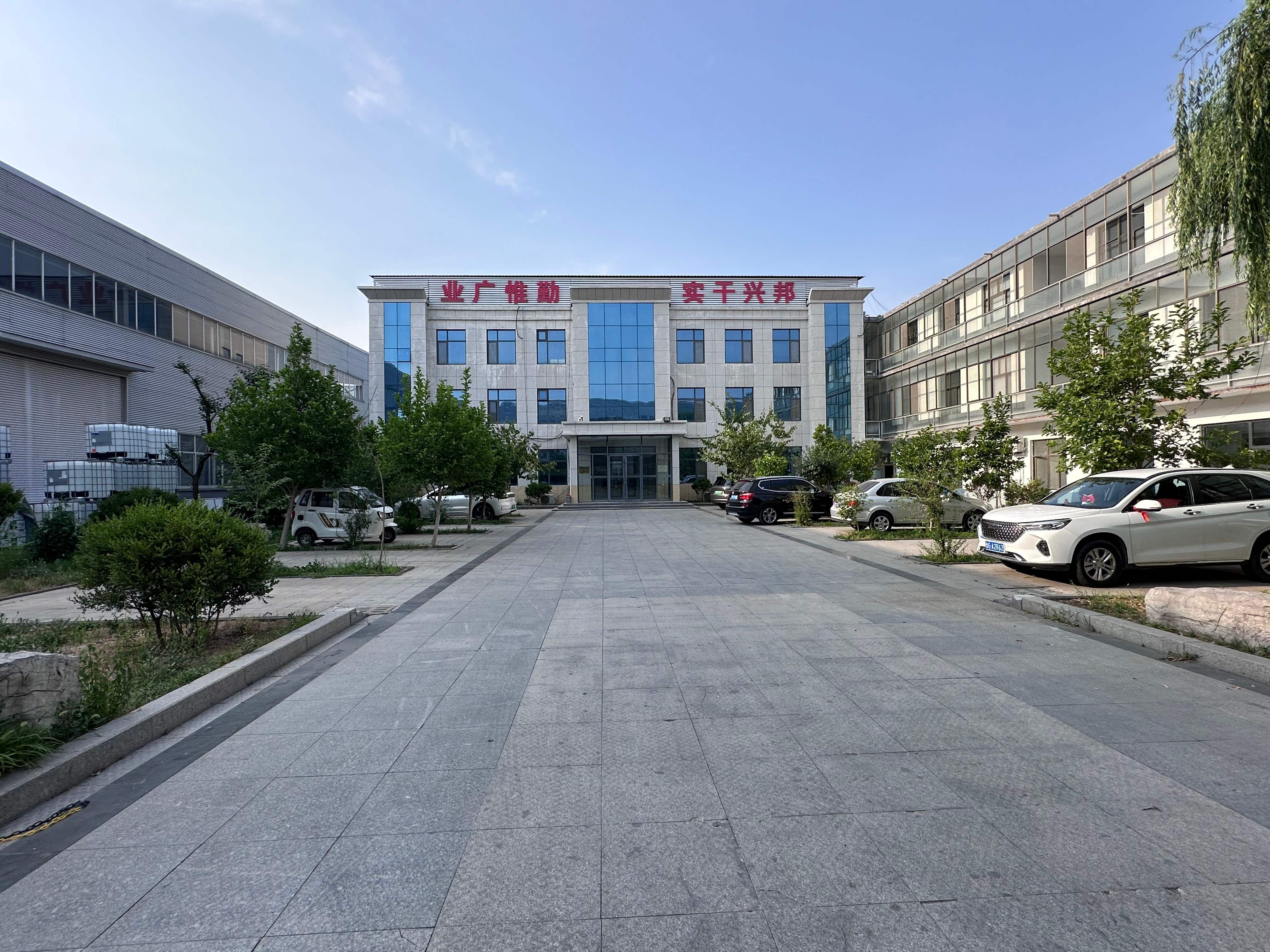
Next step: sample both products before you specify
Request free samples of SANZON GP Silicone Sealant and SANZON AS Acrylic Sealant, or send your joint schedule for a technical selection review. MOQ starts at 100 boxes, quoted lead time is 10–20 days, and OEM/ODM packaging and logo customisation is available.
Email: guooj000@163.com | Tel / WhatsApp: +86 185-5361-7774
Website: www.sanzengsealant.com
Download the product catalogue: SANZON LIONKING Series Adhesives (single-page version, PDF)
Have Questions or Need More Details?
Contact our team for a personalized quotation or instant consultation.
Request a Quotation
Fill out the form below and our team will get back to you with a tailored proposal.
WhatsApp Direct Chat
Prefer to chat in real-time? Message us on WhatsApp for instant assistance & quick answers.
- Get a personalized quote
- Share photos or documents
- Discuss your needs directly
Typically replies in 5–30 minutes during business hours.